


If you feel like “eating healthy” sounds expensive, complicated, or like an all-or-nothing project, you’re not alone.
Many adults in their 30s, 40s, and 50s in the U.S. are:
- Juggling work, kids, and a busy life
- Grabbing meals on the go
- Feeling tired, bloated, or worried about weight, blood pressure, or blood sugar
You might want to eat better… but the idea of a strict diet, food rules, or counting every calorie feels impossible.
Here’s the good news:
You don’t have to overhaul everything to see benefits. Small, realistic eating changes can quietly support your weight, energy, heart health, digestion, and more over time.
In this article, you’ll learn simple eating changes that improve your health
- Why tiny food changes can add up to big health wins
- Simple swaps and habits you can start without a full “diet”
- How to build plates that help you feel fuller and more energized
- What to do about sugar, processed foods, and late-night snacking
- When it’s important to talk with a doctor or dietitian
Important: This article is for general information only and is not medical advice. It does not replace guidance from your doctor, dietitian, or other qualified professional. Always talk with a healthcare provider about your specific health needs, especially if you have conditions like diabetes, heart disease, kidney disease, or food allergies.

Why Small Eating Changes Matter More Than “Perfect” Diets
You’ve probably seen a lot of dramatic promises:
- “Lose 20 pounds in 10 days!”
- “Cut out all carbs forever!”
- “Only eat these 5 foods!”
Most of those plans are too extreme for real life. You might stick with them for a week or two, but then life happens — stress, work, travel, cravings — and it all falls apart.
What usually works better long-term is much simpler:
Small, doable changes you can repeat most days.
You might not see huge changes on the scale overnight, but you may notice over weeks and months:
- More stable energy
- Less bloating or heartburn
- Easier bathroom habits
- Fewer “crash and burn” afternoons
- Gradual changes in your weight or waistline
Healthy eating isn’t a one-time project. It’s a set of patterns that quietly shape how you feel, day after day.
Step 1: Build a Healthier Plate Without Counting Every Calorie
Instead of tracking every bite, you can start with a simple visual approach. This works well for many adults and fits into typical U.S. meals.
Use the “Half-Plate” Method
When you can, aim for a plate that roughly looks like this:
- ½ plate: Non-starchy vegetables
- Examples: broccoli, salads, green beans, peppers, carrots, zucchini, cauliflower, cabbage, tomatoes
- ¼ plate: Protein
- Examples: chicken, turkey, fish, tofu, beans, lentils, eggs, Greek yogurt, lean meats
- ¼ plate: Whole grains or starchy foods
- Examples: brown rice, quinoa, whole wheat pasta, oats, potatoes, sweet potatoes, corn, beans
You don’t have to be exact or perfect. Just lean in this direction more often than not.
Why this helps
- Vegetables add fiber and volume, helping you feel full with fewer calories.
- Protein helps support muscle, fullness, and blood sugar stability.
- Whole grains and starchy foods provide energy and more fiber than many refined carbs.
Over time, this can support:
- Weight management
- Better digestion
- More stable energy levels
Example: Turning a Typical Dinner into a Healthier Plate
Before:
- Large portion of white pasta
- Creamy sauce
- Little to no vegetables
- Garlic bread on the side
After (without “diet food”):
- Smaller portion of whole wheat or regular pasta
- Tomato-based sauce with added onions, peppers, spinach, or mushrooms
- Extra side of roasted or steamed vegetables
- Garlic bread made with smaller slices, or enjoyed less often
You still get a comforting meal — just with more fiber and nutrients, and often fewer excess calories.
Step 2: Make Simple Swaps You’ll Barely Notice Over Time
You don’t have to give up everything you like. Often, swapping one version of a food for another can quietly move you in a healthier direction.
Swap 1: Refined Grains → Whole Grains (When You Can)
Try swapping:
- White bread → whole wheat or whole grain bread
- White rice → brown rice or half white / half brown
- Regular pasta → whole wheat pasta sometimes
- Sugary breakfast cereal → oatmeal or a lower-sugar cereal with added fruit
Whole grains tend to have more fiber, which can:
- Help with digestion and regularity
- Support fullness
- Be beneficial for heart and blood sugar health over time
Swap 2: Sugary Drinks → Water (Most of the Time)
Drinks can quietly add a lot of calories and sugar:
- Soda
- Sweet tea
- Energy drinks
- Sugary coffee beverages
- Juice drinks with added sugar
You don’t necessarily have to cut them out completely, but you might:
- Replace some servings with water, sparkling water, or unsweetened tea
- Ask for less syrup or smaller sizes in flavored coffee drinks
- Drink sugary or alcoholic drinks more slowly and less often
Even swapping just one or two sugary drinks a day for water may support weight, dental health, and blood sugar over time.
Swap 3: Fried → Baked, Grilled, or Air-Fried
Fried foods bring a lot of extra oil and calories. When you can, try:
- Fried chicken → baked or grilled chicken
- French fries → baked fries or roasted potatoes
- Fried fish → grilled or baked fish
You still get satisfying flavors, especially if you season well, but with less added fat from deep frying.
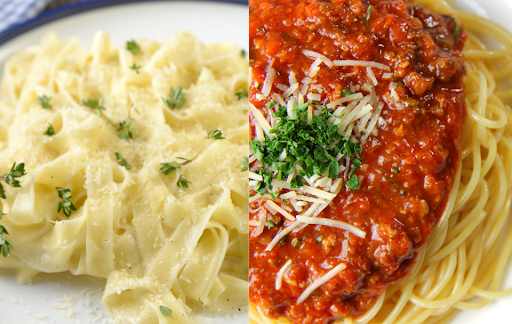
Swap 4: Heavy Cream Sauces → Tomato- or Broth-Based Sauces
Rich sauces with a lot of butter, cream, and cheese can be very calorie-dense. Sometimes you can:
- Choose marinara or tomato-based sauces instead of heavy Alfredo
- Thicken soups and stews with pureed vegetables instead of lots of cream
- Use some olive oil instead of all butter in cooking (in moderate amounts)
You don’t need to avoid creamy dishes forever. But adding more lighter options can support your goals without feeling deprived.
Step 3: Add More of the “Good Stuff” Instead of Only Cutting Things Out
Many diets focus on removal: no sugar, no carbs, no treats. That can feel punishing and hard to maintain.
A more positive approach is to ask:
“What healthy foods can I add to my day?”
Add More Vegetables (In Ways You Actually Enjoy)
You don’t have to live on salads alone. Try:
- Tossing extra frozen veggies into soups, stews, pasta, or rice dishes
- Adding sliced veggies (carrots, cucumbers, bell peppers) alongside lunch
- Starting dinner with a simple side salad or vegetable soup
- Keeping ready-to-eat veggies in the fridge for easy snacking
More vegetables mean more fiber, vitamins, and minerals, often for relatively few calories.
Add Fruit as a Naturally Sweet Option
Fruit can be a great way to satisfy a sweet tooth in a more nutritious way.
Try:
- Berries or banana slices on oatmeal or yogurt
- Apple slices with a small amount of peanut butter
- A piece of fruit instead of a second dessert
You still get sweetness, plus fiber and beneficial plant compounds.
Add Protein to Your Breakfast and Lunch
Many people:
- Skip breakfast or grab only coffee and a pastry
- Eat a lunch heavy in refined carbs
- Get hit with energy crashes and strong hunger later in the day
Adding protein earlier in the day may help you feel more satisfied and steady. You might try:
- Eggs, yogurt, cottage cheese, or tofu scramble at breakfast
- Chicken, tuna, beans, or lentils in your salads, sandwiches, or bowls
- Greek yogurt or a small handful of nuts as a snack
(Internal link → /nutrition/how-much-protein-carbs-and-fat-do-you-really-need-each-day/)
If you have kidney disease or other medical conditions, always ask your doctor or dietitian what amount and type of protein is safe for you.
Step 4: Tame Sugar and Processed Foods Without Going Extreme
Sugar and ultra-processed foods show up everywhere in the typical American diet — from breakfast cereal and flavored yogurt to coffee creamers, sauces, and snacks.
You don’t have to live sugar-free, but it can help to be more aware and intentional.
Notice Where Your Sugar Is Coming From
Some common “sugar hotspots”:
- Soft drinks and sweetened teas
- Flavored coffees and energy drinks
- Desserts, pastries, and candy
- Breakfast bars and “granola” bars
- Some yogurts, cereals, and sauces
You might start by:
- Picking one or two sugary items to cut back on
- Choosing lower-sugar versions of products you already like
- Saving sweets for times you truly enjoy them, instead of eating them automatically
Over time, your taste buds often adjust, and super-sweet foods may start to taste too sweet.
Make Processed Foods “Guests,” Not the Main Residents
Many packaged foods are fine in moderation. But when most of your meals come from boxes, drive-thrus, and takeout, it’s easier to:
- Overeat without noticing
- Get less fiber and fewer nutrients
- Take in more salt, sugar, and added fats
You can still enjoy convenience foods, but you might:
- Pair frozen meals with extra vegetables
- Cook one simple meal at home most days, even if it’s basic (like a stir-fry or sheet-pan dinner)
- Keep your freezer stocked with frozen vegetables and simple proteins (like chicken breasts, fish fillets, or veggie burgers) for quick meals
Think of ultra-processed foods as once-in-a-while helpers, not the backbone of your diet.
Step 5: Eat in a Way That Fits a Busy U.S. Lifestyle
Life doesn’t pause so you can eat perfectly. You might have kids’ activities, long commutes, deadlines, or caregiving duties.
So instead of chasing a “perfect day,” aim for better patterns that still fit your reality.
Pack Simple, Realistic Snacks
Planning snack options can keep you from hitting the vending machine or drive-thru out of desperation.
Ideas:
- A piece of fruit plus a handful of nuts
- Baby carrots, cherry tomatoes, or cucumber slices with hummus
- A stick of string cheese with whole grain crackers
- Plain Greek yogurt with some fruit
You don’t need fancy snack boxes. Just a couple of options you can grab quickly.
Build a Few “Go-To” Easy Meals
When you’re tired, your brain doesn’t want complicated recipes. Create 3–5 simple meals you can almost make on autopilot, such as:
- Stir-fry: frozen veggies + protein (chicken, tofu, shrimp, etc.) + quick sauce + rice
- Sheet-pan dinner: chicken or fish + chopped veggies + olive oil + seasoning, all roasted together
- Bean bowls: canned beans + brown rice or quinoa + salsa + avocado + veggies
- Egg or veggie omelet: eggs + leftover veggies + toast or fruit
These don’t have to be Instagram-pretty. They just need to be doable and somewhat balanced.
Plan “Less-Perfect” Meals On Purpose
Perfection doesn’t last. Instead of pretending you’ll never eat pizza or fast food again, you can:
- Decide ahead of time when you’ll enjoy certain foods
- Add simple “balance” strategies
For example:
- Pizza night? Add a big salad on the side, and drink water instead of soda.
- Fast-food night? Choose a smaller burger, skip the extra sauce, and add a side salad or fruit if available.
- Birthday party? Enjoy the cake — and focus on moving your body, hydrating, and eating balanced meals around it.
This helps you enjoy real life without feeling like you “failed” every time you eat something fun.

Step 6: Listen to Your Body More, Not Less
Modern eating often pulls us away from our own body’s signals. Screens, stress, and rushed meals make it easy to ignore hunger and fullness.
Slow Down Enough to Notice Hunger and Fullness
You don’t have to eat silently or perfectly. But you might:
- Put your fork down between bites
- Take a short pause halfway through the meal
- Ask yourself, “Am I still hungry or just still eating?”
Many people find that if they eat just a little slower, they:
- Feel full on less food
- Enjoy their meals more
- Notice when they’re satisfied instead of stuffed
Understand Emotional vs. Physical Hunger
Sometimes you may eat because you’re:
- Stressed
- Lonely
- Bored
- Rewarding yourself for a hard day
That’s normal — food is emotional. But it can help to name what’s happening:
- “I’m not actually hungry, I’m just really stressed.”
- “I’m upset, and food is the thing I’m reaching for.”
Then you can decide:
- Do I want a snack anyway, but with awareness?
- Or would something else help more right now (a walk, a shower, a phone call, journaling)?
This isn’t about shame. It’s about having more options than just eating to cope.
Step 7: How Small Eating Changes Can Affect Common Health Concerns
You might be wondering, “Will these little changes even matter if I have real health issues?”
They can’t replace medical care, but they may support many common concerns your doctor might mention.
Always talk with your healthcare provider about how food changes fit with your medications, lab results, and overall health plan.
Weight and Belly Fat
Small, consistent changes can help you:
- Take in fewer excess calories
- Feel fuller with more fiber and protein
- Move more easily as energy improves
Over time, this may help with:
- Modest weight loss
- Less fat around the midsection
- Feeling better in clothes
Blood Pressure
Your doctor may talk to you about:
- Sodium (salt) intake
- Eating more fruits and vegetables
- Managing weight and stress
Simple shifts like:
- Cooking at home a little more often
- Choosing lower-sodium options when you can
- Filling more of your plate with vegetables
…might support a healthy blood pressure plan your doctor recommends.
Blood Sugar and Energy Swings
If you struggle with:
- Afternoon crashes
- Feeling shaky when you’re hungry
- Strong sugar cravings
Adding balanced meals with protein, fiber, and healthy fats may help smooth things out.
If you have diabetes or prediabetes, it’s especially important to:
- Work with your doctor or dietitian
- Ask how these changes fit with your medication and monitoring plan
Digestion and Gut Comfort
Simple shifts like:
- More fruits and vegetables
- More whole grains and beans (introduced gradually)
- Adequate water intake
…can support regular bowel movements and less bloating for many people.
If you have chronic digestive issues, food sensitivities, or conditions like IBS, it’s best to talk with your healthcare team about what’s appropriate for you.
When to Talk With a Doctor or Dietitian Before Changing Your Diet
While small food changes are generally safe for many people, you should definitely check with a healthcare professional if you:
- Have diabetes, heart disease, kidney disease, or liver disease
- Are on medications that affect blood sugar, blood pressure, or fluid balance
- Have a history of eating disorders
- Are dealing with significant unintentional weight loss
- Have major digestive symptoms (ongoing pain, blood in stool, severe diarrhea or constipation)
- Are pregnant, breastfeeding, or trying to conceive
Your doctor or a registered dietitian can help you:
- Understand which changes are safe and helpful
- Adjust your medications if needed
- Make sure you’re getting enough essential nutrients
This article is not meant to diagnose, treat, or cure any condition. It’s meant to give you general ideas to discuss with your own healthcare provider.
FAQs: Simple Eating Changes and Your Health
1. Do I have to give up all my favorite foods to eat healthier?
No. In fact, overly strict rules often backfire. It’s usually more effective to:
- Make small swaps (like soda → water more often, white bread → whole wheat)
- Add more nutritious foods (vegetables, fruits, beans, whole grains, lean proteins)
- Enjoy treats and comfort foods in moderation, not every moment of the day
You can absolutely still enjoy your cultural and family foods while making your overall pattern healthier.
2. Will these small changes really help with weight loss?
For many people, yes — especially over time. Eating:
- More fiber and protein
- Fewer sugary drinks and ultra-processed foods
- Slightly smaller portions
…can support a gentle calorie deficit and healthier metabolism without extreme dieting. Even if weight loss is slow, you may still see benefits in energy, digestion, and lab results.
3. I’m really busy. What’s the single best place to start?
Pick one small thing that feels realistic this week. For example:
- Drink water instead of soda at one meal a day
- Add one extra serving of vegetables to dinner
- Eat a protein-rich breakfast 3 days this week
Starting small makes it easier to build momentum. Once that habit feels normal, you can add another.
4. Are “cheat days” a good idea?
For some people, strict “cheat day” thinking leads to:
- Overeating on that day
- Feeling guilty
- Getting stuck in an all-or-nothing cycle
Instead of cheat days, many people do better with a balanced mindset:
- Allow room for foods you enjoy
- Plan for meals out, celebrations, and treats
- Focus on what you do most of the time, not one meal or one day
5. Should I follow a specific named diet (keto, paleo, etc.)?
Some people do well with structured plans, but they’re not required. Before jumping into any specific named diet, ask:
- Is this safe for my health conditions?
- Can I realistically eat this way for months or years, not just days?
- Does it feel overly restrictive or stressful?
Many adults get good results by simply:
- Eating more whole, minimally processed foods
- Watching sugary drinks and snacks
- Adding movement and better sleep
If you’re curious about a specific diet, it’s best to talk it over with your doctor or a registered dietitian.
Final Thoughts: Tiny Food Changes, Real-Life Benefits
You don’t need a perfect meal plan, expensive supplements, or a total kitchen makeover to improve your health.
You can start with simple eating changes:
- More vegetables, fruits, and whole grains
- A bit more protein and fiber
- Fewer sugary drinks and ultra-processed snacks
- Smaller, more mindful portions
Over weeks and months, these small steps can add up to:
- Better energy
- Easier digestion
- Support for weight, blood pressure, and blood sugar
- A healthier relationship with food — without extreme rules
Most importantly, you deserve an approach that respects your real life — your culture, your schedule, your budget, and your health needs.
This article is for general information only and is not medical advice. Always talk with your doctor, dietitian, or another qualified health professional about what’s right for your specific situation.