

If you’re like a lot of adults in the U.S., you probably have a small “home toolbox” for dealing with everyday aches:
- A heating pad for a sore back
- Peppermint or ginger tea for an upset stomach
- Epsom salts for a tired bath
- Maybe a bottle of lavender oil or some muscle rub in the bathroom cabinet
These kinds of natural home remedies are extremely common. They can be comforting, often inexpensive, and they help you feel like you’re doing something while your body recovers from mild discomfort.
But it’s also easy to wonder:
- Which home remedies are actually helpful?
- What’s safe to try at home, and what’s better left to a doctor?
- How do I tell the difference between an everyday ache and a serious problem?
This guide walks through popular home remedies people commonly use for everyday aches, how they’re often used, and important safety tips to keep in mind.
Important: This article is for general information only and is not medical advice. It doesn’t replace a diagnosis, treatment plan, or recommendations from your doctor or another qualified healthcare professional. Always talk with a professional about your specific situation, especially if you have ongoing pain, medical conditions, or take prescription medications.
What Do We Mean by “Everyday Aches” (and What We Don’t)?
Before we dive into natural home remedies and simple home treatments, it’s important to be clear about what kind of discomfort we’re talking about.
When this article says “everyday aches,” it means things like:
- Mild tension headaches that come and go
- Muscle soreness after a workout, yard work, or a long day on your feet
- A stiff neck or back from sleeping “funny” or sitting too long
- Mild joint aches after a busy day
- Menstrual cramps that are uncomfortable but not extreme
- Mild digestive discomfort like gas or occasional bloating
- General “I feel worn out and achy” after a hectic week
These symptoms:
- Usually improve with rest, gentle care, and time
- Don’t stop you from functioning completely
- Don’t feel like an emergency
What This Article Is Not Meant For
This article is not meant to guide you through:
- Severe, sudden, or unbearable pain
- Pain after a serious fall, car accident, or major injury
- Chest pain, difficulty breathing, or pain that spreads to your jaw, arm, or back
- Sudden weakness, trouble speaking, or vision changes
- Strong abdominal pain, high fever, or vomiting that won’t stop
- Pain that keeps getting worse instead of better
Those kinds of symptoms can be signs of serious health issues. In those situations, don’t rely on home remedies. Call your doctor, an urgent care clinic, or emergency services right away.
Why So Many People Turn to Natural Home Remedies
There are a lot of reasons people reach for natural home remedies and common home cures before anything else:
- They’re often gentle and familiar (like tea, heat, or rest).
- Many of them have been passed down through family traditions.
- For mild aches, they can provide comfort while your body heals.
- They help you feel a sense of control and participation in your own care.
For everyday aches, natural, simple home treatments can be a reasonable first step, as long as you:
- Understand their limits
- Use them safely
- Don’t ignore worrisome or worsening symptoms
You’ll see this theme again and again:
Home remedies can support comfort and recovery for mild issues — but they do not replace professional medical care when something more serious is going on.
Safety First: Smart Guidelines Before You Try Any Home Remedy
Before we jump into specific remedies, here are some ground rules that apply across the board.
1. Check Your Personal Health Situation
Home remedies that seem harmless for one person might be risky for someone else. Be extra cautious and talk with a doctor if you:
- Are pregnant or breastfeeding
- Have chronic conditions (heart disease, diabetes, kidney or liver problems, high blood pressure, etc.)
- Take prescription medications, including blood thinners, heart medications, diabetes medications, or antidepressants
- Have allergies (especially to herbs, plants, or essential oils)
Some herbs and supplements can interact with medications or affect your blood pressure, blood sugar, or bleeding risk.
2. Be Careful With Heat and Ice
Heat packs and ice packs are classic home treatments, but misusing them can cause burns or irritation.
Simple safety tips:
- Never put ice or an ice pack directly on bare skin — wrap it in a thin cloth.
- Time limit: usually 10–20 minutes at a time, then a break.
- Don’t fall asleep with a heating pad on your skin.
- Avoid very hot temperatures if you have reduced sensation in your skin (like neuropathy).
3. Start Low and Go Slow With Herbs and Teas
Herbal teas and natural remedies may feel “safer” because they’re natural, but natural doesn’t always mean risk-free.
- Try small amounts first to see how your body reacts.
- Don’t assume that “if a little helps, a lot is better.”
- Be cautious with herbs if you have kidney, liver, or heart conditions, or if you take medications.
4. Watch for Red Flags
If you try a home remedy and notice:
- New or worsening symptoms
- Rash, swelling, or difficulty breathing
- Chest pain, trouble breathing, severe headache, or sudden weakness
Stop the remedy and seek medical help right away. Severe symptoms can signal an allergic reaction or something more serious.
Natural Home Remedies for Everyday Headaches and Tension
Mild tension headaches are one of the most common everyday aches. They often show up as:
- A dull ache across your forehead or the back of your head
- Pressure around your temples
- Tightness in your neck and shoulders
Here are some simple home remedies for everyday headaches that many people use.
1. Hydration and Light Snacks
Sometimes, headaches are connected to:
- Mild dehydration
- Going too long without eating
You might try:
- Drinking a glass of water and sipping more steadily during the day
- A light snack with complex carbs + a bit of protein, like:
- Apple slices with peanut butter
- Whole grain crackers with cheese
- Yogurt with a small handful of nuts
2. Heat or Cold Packs
Depending on the type of headache, some people find relief with:
- A cool pack or damp, cool cloth on the forehead or temples
- A warm compress or heating pad on tight neck and shoulder muscles
Always use a barrier (like a towel) between your skin and the pack, and limit use to about 10–20 minutes at a time.
3. Gentle Neck and Shoulder Stretches
For tension headaches related to posture or desk work:
- Gently roll your shoulders
- Slowly tilt your head side to side
- Turn your head left and right, staying within a comfortable range
- Take regular “movement breaks” during long sitting periods
(Internal link → /wellness/how-sitting-too-much-affects-your-body-over-time/)
4. Dark, Quiet Room and Screen Break
Bright lights, long screen time, and noise can all make headaches worse. If possible:
- Rest in a calm, darker room for a short time
- Lower the brightness on your screens
- Try the 20-20-20 rule for eye strain: every 20 minutes, look at something 20 feet away for 20 seconds
5. Herbal Teas Some People Use
Some adults like to sip:
- Peppermint tea for tension and mild headache comfort
- Chamomile tea for relaxation
- Ginger tea if nausea is part of the picture
Evidence for these is limited and varies from person to person, but some people find them soothing and part of a calming routine.
If headaches are frequent, severe, or changing from your usual pattern, talk with your doctor. Home remedies are not enough in that situation.
Home Remedies for Muscle Aches and Soreness
Muscle soreness from yard work, house projects, a weekend hike, or a new workout is very common. This is often called delayed onset muscle soreness (DOMS) and usually:
- Peaks a day or two after the activity
- Feels like stiffness and tenderness, not sharp or tearing pain
- Slowly improves over a few days
Here are some natural home remedies for muscle aches many people use.
1. Gentle Movement (Not Complete Bed Rest)
It’s tempting to avoid all movement when muscles hurt, but gentle activity can help:
- Light walking
- Easy stretching
- Gentle range-of-motion exercises
These help:
- Increase blood flow
- Reduce stiffness
- Support recovery
Avoid very intense exercise on the most sore areas until you feel better.
2. Warm Baths and Epsom Salt Soaks
A warm bath can:
- Relax tight muscles
- Provide general comfort
- Encourage deeper breathing and relaxation
Some people like to add Epsom salts (magnesium sulfate) to their bath. While the science is mixed on how much magnesium is absorbed through the skin, many people simply find the combination of warm water + quiet time very soothing.
3. Heat Packs and Warm Showers
- A heating pad, warm towel, or hot water bottle on sore areas
- A warm shower directed at tight muscles
These can temporarily relieve stiffness. Just keep temperatures at a comfortable, not burning level, and don’t sleep with a heating pad directly against your skin.
4. Gentle Self-Massage or Massage Tools
- Using your hands or a soft massage ball on sore muscles
- Rolling a foam roller lightly along big muscle groups (like thighs, calves, or back)
The idea is light pressure, not extreme pain. If it feels too intense, back off.
If muscle pain is severe, sudden, or related to an injury (like hearing a pop, not being able to bear weight, or seeing a deformity), skip home remedies and get medical care.
Joint Stiffness & Mild Back Aches: Home Comfort Ideas
Everyday joint and back aches are very common, especially if you sit a lot, perform repetitive tasks, or are in your 40s, 50s, and beyond.
(Internal link → /health-conditions/most-common-health-problems-americans-face-in-their-40s-and-50s/)
1. Alternating Heat and Gentle Movement
For mild low back or joint discomfort:
- Start the day with gentle stretching (cat-cow motions, pelvic tilts, easy hip circles)
- Use warmth (like a heating pad) to relax tight muscles
- Take short walking breaks throughout the day
Movement helps deliver nutrients to joints and supports surrounding muscles.
2. Supportive Posture and Setup
At work or at home:
- Adjust your chair so your feet rest flat and your knees are about hip level
- Keep your screen at eye level to avoid craning your neck
- Use a rolled towel or small cushion for low back support
Even modest changes can ease strain on your back and neck.
3. Simple At-Home Aids
People commonly use:
- Elastic knee or wrist sleeves for light support (if they feel comfortable)
- Pillows to support knees or lower back while sleeping
- A firm mattress topper if their bed feels too soft or unsupportive
If you have known joint conditions like arthritis, your doctor or physical therapist can recommend specific exercises and supports that fit your situation.
4. Weight Management and Everyday Activity
Extra body weight, especially around the belly, can put more pressure on joints like the knees, hips, and lower back. Long term, many people find that even modest, gradual weight loss plus more daily movement helps reduce everyday joint aches.
(Internal link → /weight-loss/why-losing-weight-feels-harder-after-30-and-what-can-help/)
If back or joint pain is intense, ongoing, or comes with numbness, tingling, or weakness, talk with your doctor. Home remedies alone are not enough for those symptoms.
Gentle Home Remedies for Period Cramps and Pelvic Discomfort
Many people with periods experience menstrual cramps (dysmenorrhea) and mild pelvic or lower back aches, especially in their teens, 20s, and 30s.
Some commonly used natural home remedies include:
1. Heat for Menstrual Cramps
- A heating pad, hot water bottle, or warm compress placed on the lower abdomen or lower back
- A warm bath or shower
Heat can help relax uterine muscles and ease cramp-related discomfort for many people.
2. Gentle Movement and Stretching
Even though you might feel like lying still, some people notice:
- Light walking
- Gentle yoga poses (child’s pose, knees-to-chest)
- Pelvic tilts while lying on your back
These can support blood flow and reduce tension.
3. Herbal Teas Some People Use
Common choices:
- Chamomile – often used for relaxation and mild discomfort
- Ginger – sometimes used for cramps and nausea
- Peppermint – used by some people for bloating and cramping
Research is mixed and limited, but many people find these teas soothing as part of a self-care routine.
4. Magnesium and Diet Patterns
Some people find that including magnesium-rich foods (like leafy greens, nuts, seeds, and beans) or discussing magnesium supplements with their doctor helps with cramps, sleep, or overall tension. Never start a supplement without checking with a healthcare professional, especially if you have kidney or heart issues.
Severe, sudden, or disabling period pain, very heavy bleeding, or pain between periods are reasons to talk with your doctor or gynecologist. Conditions like fibroids or endometriosis need medical evaluation.
Simple Home Remedies for Everyday Digestive Discomfort
Almost everyone deals with mild digestive issues from time to time: gas, bloating, mild cramps, or a slightly upset stomach.
Here are some simple home treatments for everyday digestive aches many people try.
1. Ginger for Nausea and Mild Stomach Upset
Ginger is a classic home remedy that some people use for:
- Mild nausea
- Motion sickness
- Slight stomach discomfort
Common forms:
- Ginger tea
- Small amounts of ginger candies or chews
- Fresh ginger added to hot water (and strained)
Again, talk with your doctor if you’re pregnant or on certain medications, because large amounts of ginger may not be appropriate for everyone.
2. Peppermint for Gas and Bloating
Peppermint tea is another popular home remedy that some people use for:
- Mild gas
- Bloating
- A sense of “fullness”
Be cautious with peppermint if:
- You have acid reflux or GERD, as it can sometimes make symptoms worse
- You take medications and aren’t sure about interactions
3. Warm Fluids and Gentle Movement
- A mug of warm water or herbal tea can feel soothing
- Gentle walking after meals can help ease bloating and gas for many people
Lying flat after a large meal can sometimes make things worse; a brief, relaxed walk may feel better.
4. Simple Food Adjustments
For mild, occasional issues, simple steps might help:
- Avoid very heavy, greasy, or fried foods when your stomach is already sensitive
- Eat smaller, more frequent meals instead of huge portions
- Notice if certain foods (like very spicy dishes, carbonated drinks, or large amounts of dairy) seem to trigger your discomfort
Severe stomach pain, bloody stool, black or tarry stool, repeated vomiting, or ongoing digestive issues are not everyday aches. Those need medical evaluation.
Comfort Measures for Mild Cold or Flu-Like Aches
When you have a mild viral illness, it’s normal to feel:
- Achy muscles
- Mild headache
- Sore throat
- Tired or run-down
Natural, non-branded home remedies many people use include:
1. Rest (Real Rest, Not Just Screen Time in Bed)
Your body uses energy to fight infections. True rest can mean:
- Sleeping more than usual
- Closing your eyes and actually napping
- Saying “no” to non-essential tasks while you recover
2. Warm Fluids
Common choices:
- Warm herbal teas (ginger, chamomile, peppermint, etc.)
- Warm water with lemon and honey (honey is not for children under 1 year old)
- Clear broths or soups
These can soothe the throat, help with hydration, and provide comfort.
3. Steam and Humidification
For mild congestion:
- Inhaling steam from a warm shower
- Using a humidifier in your room (cleaned regularly to avoid mold)
This may help loosen mucus and ease breathing for some people.
4. Saltwater Gargles
For a sore throat:
- A cup of warm water with ½ teaspoon of salt dissolved
- Gargle and spit (do not swallow)
This simple home remedy can help some people feel a bit more comfortable.
High fever, difficulty breathing, chest pain, confusion, or symptoms that rapidly worsen are reasons to seek urgent medical care rather than relying on home remedies alone.
Habits That Work Like Everyday Remedies
Some of the most powerful “home remedies” for everyday aches aren’t in bottles or tea bags — they’re daily habits that support your body over the long term.
1. Hydration
Staying reasonably hydrated can support:
- Headache prevention for some people
- Joint and muscle function
- Energy and focus
You don’t have to chug water all day, but sipping water regularly and paying attention to your thirst is a simple everyday habit.
2. Gentle, Consistent Movement
Regular physical activity (even walking) can help:
- Reduce stiffness in joints and muscles
- Support healthy weight
- Improve mood and sleep
- Support heart and blood sugar health over time
(Internal link → /wellness/daily-wellness-routine-ideas-that-actually-fit-a-busy-life/)
3. Sleep and Wind-Down Routines
Creating a realistic wind-down routine can:
- Help you fall asleep more easily
- Support recovery from everyday aches
- Improve mood and resilience
Simple ideas:
- Dim lights and screens before bed
- Gentle stretching or breathing exercises
- A consistent bedtime when possible
4. Food Patterns That Support Less Inflammation
While there’s no single “perfect” anti-inflammatory diet, many people feel better when they:
- Eat more fruits and vegetables
- Choose whole grains more often than refined ones
- Include healthy fats (olive oil, nuts, seeds, avocado)
- Limit very processed foods, sugary drinks, and heavy fried foods
Over time, these patterns can reduce how often everyday aches show up — or at least how intense they feel.
When a “Simple Ache” Is NOT Simple Anymore
Home remedies for everyday aches are meant for mild, short-lived discomfort. They’re not meant to cover up ongoing or serious problems.
You should stop relying on home remedies alone and contact a healthcare professional if:
- Pain lasts more than a few days and isn’t slowly improving
- Pain keeps coming back in the same place
- You notice swelling, warmth, or redness around a joint or muscle
- You have unexplained weight loss, fever, or night sweats along with aches
- Headaches are new, severe, or different from what you’ve had before
- Period pain is so severe it disrupts your daily life
- Digestive issues are frequent, worsening, or accompanied by blood
And you should seek emergency help immediately if you have:
- Chest pain, pressure, or pain spreading to the arm, jaw, or back
- Trouble breathing or feeling like you can’t catch your breath
- Sudden weakness, numbness, confusion, or trouble speaking
- Severe headache with sudden onset and no clear cause
In the U.S., that means calling 911 or your local emergency number.
(Internal link → /remedies/when-its-safe-to-try-a-home-remedy-and-when-to-call-a-doctor/)
Building a Safe “Home Comfort Kit”
If you like using gentle, natural home remedies, it can help to organize them into a small kit so you’re not scrambling when you’re tired and uncomfortable.
Ideas for a Home Comfort Kit (Non-Medication)
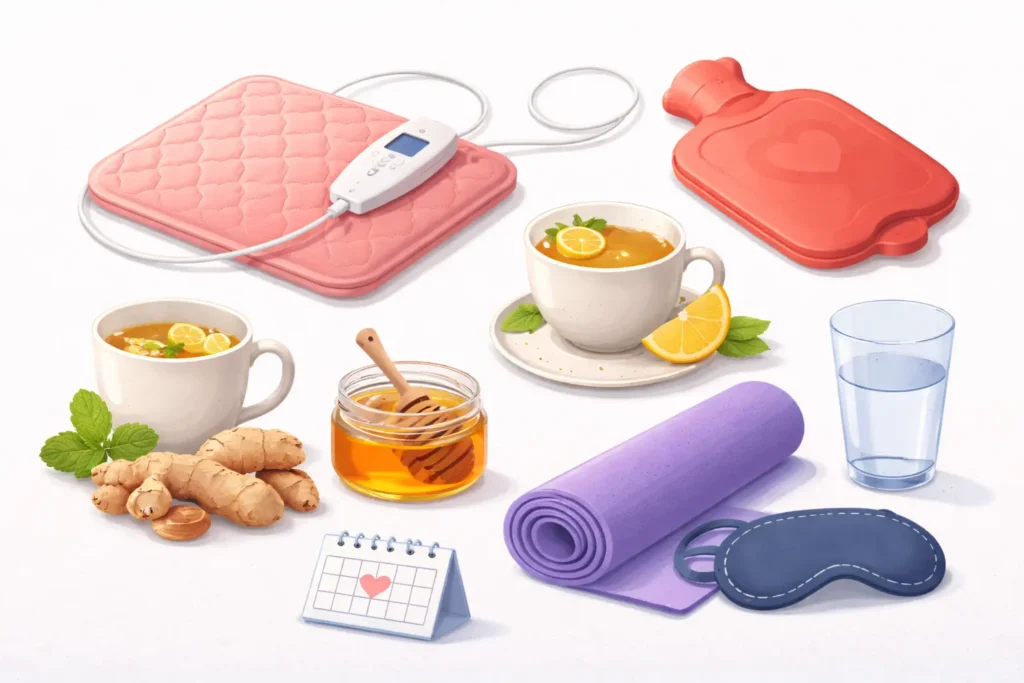
- Soft heating pad or hot water bottle
- Reusable cold pack (or a bag of frozen peas wrapped in a cloth)
- Herbal teas you tolerate well (ginger, chamomile, peppermint, etc.)
- Epsom salts for occasional baths
- A water bottle you enjoy using
- Comfortable eye mask or eye pillow
- A small notebook to track symptoms, triggers, or what helps
- Gentle stretching routine printed out or saved on your phone
You might also:
- Keep your doctor’s contact info and local urgent care/emergency numbers handy
- Make a personal rule: if a symptom worries you or doesn’t get better, you call a professional rather than just trying more home fixes
Final Thoughts: Using Home Remedies Wisely
Natural home remedies and simple home treatments can play a helpful role in your everyday life. They can:
- Make mild aches more manageable
- Help you feel calmer and more in control
- Support your body’s natural healing processes
At the same time, they have limits. They’re not meant to:
- Treat serious injuries or illnesses
- Replace prescribed treatments or medical advice
- “Cure” chronic diseases or guarantee results
The most powerful approach is often a blend of:
- Common-sense home care
- Healthy everyday habits (movement, sleep, food, stress management)
- Professional medical guidance when you need it
This article is for general education only and is not medical advice. Always talk with your doctor, nurse practitioner, or another qualified healthcare professional about your specific symptoms, especially if they’re new, severe, or not improving.
FAQs: Natural Home Remedies for Everyday Aches
1. Are natural home remedies always safe because they’re “natural”?
No. “Natural” doesn’t automatically mean safe for everyone. Herbs, essential oils, and even some teas can:
- Interact with medications
- Affect blood pressure, blood sugar, or bleeding risk
- Trigger allergies or skin reactions
Always be cautious, start small, and talk with your doctor if you have health conditions, take prescription medications, or are pregnant or breastfeeding.
2. How long should I try a home remedy before seeing a doctor?
For everyday mild aches, many people try home remedies for a few days. If your symptoms:
- Don’t improve
- Keep returning
- Get worse
…or if you start to feel worried, it’s better to check in with a healthcare professional instead of continuing to experiment at home.
(Internal link → /remedies/when-its-safe-to-try-a-home-remedy-and-when-to-call-a-doctor/)
3. Can I use natural remedies along with over-the-counter medicine?
Sometimes people combine gentle remedies (like heat, rest, and herbal tea) with over-the-counter pain relievers recommended by their doctor or pharmacist. However:
- Don’t exceed the recommended dose of any medication.
- Talk with a pharmacist or doctor about possible interactions between herbs, supplements, and medicines.
- If you’re on prescription medications or have liver, kidney, or heart issues, always check before adding something new.
4. Are home remedies okay for children?
Some home remedies are not appropriate for children, especially:
- Honey for babies under 1 year old
- Certain herbs, essential oils, or topical products
Children are more sensitive to doses and reactions. If your child has pain, fever, or other symptoms, it’s safest to talk with their pediatrician before trying remedies beyond simple comfort measures like rest, fluids, and a cool or warm cloth.
5. What’s one safe starting point if I want to use more natural remedies?
A simple, low-risk starting point for many adults is to:
- Focus on habits like better sleep, gentle movement, and hydration
- Add warm baths, heat packs, and stretching for mild aches
- Use basic herbal teas (like chamomile or ginger) if you tolerate them well and don’t have medical reasons to avoid them
From there, you can talk with your healthcare provider about whether specific supplements or other remedies are appropriate for you.
