

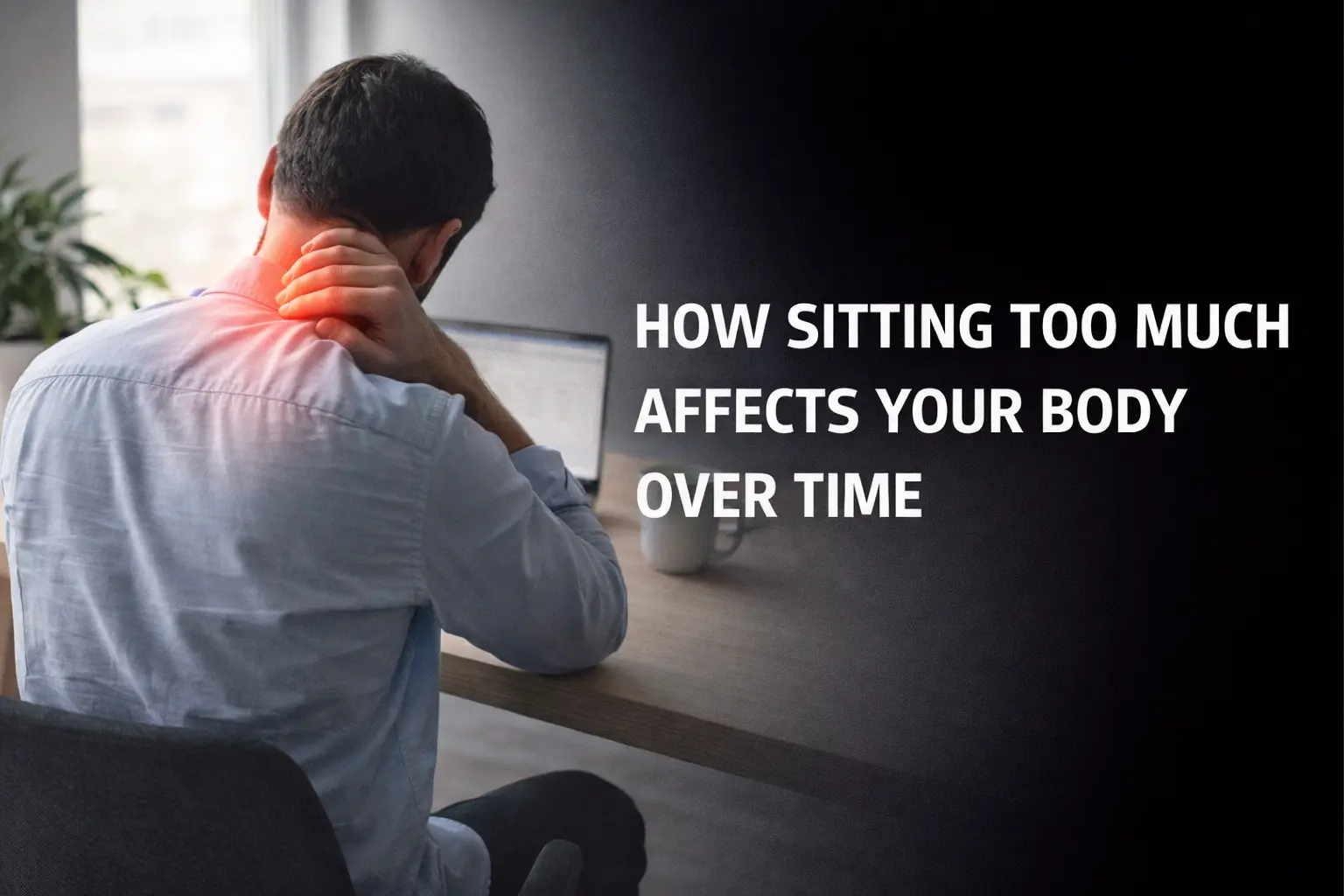
If you spend most of your day sitting — at your desk, in the car, on the couch at night — you’re definitely not alone. For many adults in the U.S., long days of sitting are just part of normal life.
But over time, How Sitting Too Much Affects Your Body — from your back and joints to your blood sugar, heart, and even your mood and sleep.
This guide walks you through:
- What counts as “too much” sitting
- How a sedentary lifestyle can affect your body over months and years
- Early warning signs to watch for
- Simple, realistic ways to break up sitting during a busy day
- When it’s smart to talk with a doctor
Important: This article is for general information only and is not medical advice. It can’t replace a conversation with your own doctor or another qualified healthcare professional. If you’re worried about your symptoms, talk with a professional who knows your medical history.
Why Sitting Has Become a Normal (But Sneaky) Health Problem
A typical day for many adults might look like this:
- Sit to drive or ride to work
- Sit at a computer for 7–9 hours
- Sit for lunch and meetings
- Sit in traffic on the way home
- Sit while eating dinner and watching TV
By the end of the day, it’s easy to rack up 8–10 hours of sitting without even trying.
A “sedentary lifestyle” doesn’t just mean you don’t go to the gym. It usually means:
- You spend most of your waking hours sitting or lying down
- You use very little muscle activity throughout the day
- You might still exercise sometimes, but large chunks of your day are spent in very low movement
The tricky part: sitting itself doesn’t feel like a health emergency. You’re not in a hospital. You’re just at your desk, or on the couch. The effects show up slowly — stiff joints, a bit more weight, more tiredness — and they’re easy to blame on “getting older.”
Over time, though, too much sitting can stack up and increase the risk of:
- Back and neck pain
- Tight hips and hamstrings
- Weight gain around the belly
- Higher blood sugar and blood pressure
- Heart disease and type 2 diabetes
- Lower mood, more stress, and poorer sleep
The good news: you don’t need to become a marathon runner to benefit. Even small, regular breaks from sitting can make a meaningful difference.
What Counts as “Too Much” Sitting?
There’s no single magic number that applies to every person, but experts often use a few guiding ideas:
- Sedentary behavior = any time you’re awake, sitting or lying down, and using very little energy.
- Many adults easily sit more than 7–8 hours per day, especially with desk jobs and screen time.
- Research suggests that long, unbroken stretches of sitting (like 2–3 hours without moving) may be more harmful than the same amount of sitting broken up with short activity breaks.
Can You Still Be “Too Sedentary” If You Exercise?
Yes, that’s possible.
You can:
- Exercise for 30–45 minutes in the morning
- Then sit at work, commute, and watch TV for the remaining 14–15 waking hours
In that situation, you technically exercise, but you also live a very sedentary day overall. Think of your health as a combination of:
- Structured activity (like a workout or walk)
- All the light movement you do in between (walking around, standing up, stretching, doing chores)
Both matter.
How Sitting Too Much Affects Your Body in the Short Term
At first, the effects of sitting too much often show up as small annoyances, not huge problems. Over months and years, those annoyances can turn into more consistent pain or health issues.
Stiffness and Aches in Your Back, Neck, and Shoulders
If you’ve ever stood up after a long work session and felt like you aged 20 years in 2 hours, you’re feeling one of the most common effects of prolonged sitting.
Sitting for long periods can lead to:
- Tight hip flexors (the muscles at the front of your hips)
- Weak glute muscles (your butt muscles) that don’t activate much while sitting
- Rounded shoulders from leaning toward a screen
- Forward head posture (“tech neck”) from looking down at a phone or laptop
All of this can add up to:
- Dull, nagging lower back pain
- Achy neck and shoulders
- Feeling stiff when you stand up or turn your head
Low Energy and “Heavy” Feeling
Long stretches of sitting can also make you feel:
- Sluggish or foggy
- Sleepy in the afternoon
- Less motivated to move or exercise later
Your muscles and circulation are essentially running on “low power mode,” and that can affect how awake and energized you feel.
More Fidgeting and Restlessness
Ironically, sitting still for too long can make you feel more restless, not less. You might:
- Cross and uncross your legs
- Adjust your position constantly
- Feel like you need to stretch or walk it off
These are your body’s little hints that it’s time to move.
Long-Term Effects on Your Heart and Circulation
Over time, spending much of the day sitting can affect your heart and blood vessels in several ways.
Again, this is general information, not a diagnosis. If you already have heart disease, high blood pressure, or other conditions, always follow your doctor’s guidance.
Slower Circulation and Stiff Blood Vessels
When your muscles aren’t contracting much (like they do when you walk or stand), your blood:
- Moves more slowly through your legs
- Can pool around your ankles and calves
- May increase pressure on your veins
Over the long term, a very sedentary lifestyle has been linked with:
- Higher risk of high blood pressure
- Changes in blood vessel stiffness
- Increased risk of blood clots in some situations (especially when combined with other risk factors like long travel, surgery, certain medications, or inherited conditions)
Increased Risk of Heart Disease Over Time
Research has found that:
- People who sit for long periods most days tend to have a higher risk of heart disease and stroke compared with people who move more throughout the day, even after adjusting for other factors like age and smoking.
- Sedentary time is linked with unfavorable cholesterol patterns, such as lower “good” HDL cholesterol and higher “bad” LDL or triglycerides.
This doesn’t mean that sitting at your desk will automatically cause heart disease. But it does mean that long-term inactivity can stack the odds against your heart if other risk factors are present (like family history, smoking, high blood pressure, or high blood sugar).

How Sitting Affects Blood Sugar, Weight, and Metabolism
Many people notice that weight seems to creep up once their job or lifestyle becomes more sedentary. Hours of sitting can influence:
- How your body uses blood sugar
- How many calories you burn
- Where your body tends to store fat
Blood Sugar and Insulin Response
After you eat, your blood sugar naturally rises as your body absorbs energy from food. Your muscles help by pulling sugar out of your bloodstream to use or store.
When you sit for most of the day:
- Your muscles are less active, so they use less blood sugar
- Your body may become less responsive to insulin (the hormone that helps move sugar into cells)
- Over time, this can contribute to higher fasting blood sugar and a higher risk of type 2 diabetes
Simple movement — like standing up for a couple of minutes, walking down the hallway, or doing light stretching — helps your muscles “wake up” and use more blood sugar.
Weight Gain and Belly Fat
Sitting itself doesn’t “cause” weight gain, but it:
- Reduces your daily calorie burn
- Makes it easier to eat more than you burn without noticing
- Encourages mindless snacking while working or watching TV
Weight often shows up as:
- Extra weight around the belly, which is linked with higher risks for heart disease and type 2 diabetes
- A general feeling of being “softer” or less toned
Pair long sitting time with:
- Sugary drinks
- Frequent fast food
- Larger portion sizes
…and you have a very common recipe for weight gain in adults with desk jobs.
Impact on Muscles, Joints, and Posture
One of the most noticeable effects of long-term sitting is how it changes the way your muscles and joints feel and function.
Tight Hips and Weak Glutes
When you sit:
- Your hips stay in a bent position
- Your hip flexors (front of your hips) become short and tight
- Your glutes (butt muscles) are basically “off duty”
Over months and years, this pattern can lead to:
- Stiffness or discomfort when you stand up
- Feeling like your hips don’t extend fully when you walk
- A walking pattern that puts more stress on your lower back or knees
Lower Back Pain and “Office Back”
Many adults with desk jobs experience:
- A dull ache across the lower back
- Pain that worsens after long periods at the computer
- Relief when they stand up, walk around, or stretch
Possible contributors include:
- Slouched posture that strains the muscles and ligaments in your back
- Chairs without proper support
- Weak core and hip muscles that can’t support your spine well
- Repetitive bending or twisting to reach for things on your desk
Neck, Shoulder, and Upper Back Tension
If your screen is too low or too far away, it’s easy to:
- Lean your head forward
- Round your shoulders
- Shrug your shoulders toward your ears while typing
Over time, this can cause:
- Tight neck muscles
- Burning or pulling sensations between the shoulder blades
- More frequent tension headaches
Joint Stiffness and Mobility Loss
The less you move a joint through its full range, the more stiff and limited it can feel. With long-term sitting, you may notice:
- Stiff knees or ankles after long meetings
- Less comfortable squatting, kneeling, or getting up from the floor
- Feeling older than your age when you stand after a long car ride
Movement is like “oil” for your joints. Regular, gentle movement helps keep them smoother and more comfortable.
Effects on Mental Health, Mood, and Sleep
Sitting isn’t just a physical issue. It can also affect how you feel mentally and emotionally.
Mood and Stress
Long days of sitting — especially in high-pressure jobs — are often linked with:
- Higher stress and feelings of being overwhelmed
- More frequent feelings of anxiety or low mood
- Mental “fog” or difficulty focusing
When you move, your body releases chemicals that support better mood and stress relief. When most of your day involves little movement, you miss out on those natural boosts.
Sleep Quality
A very sedentary day can also:
- Make it harder to feel “naturally” tired at night
- Lead to more tossing and turning
- Encourage more screen time late into the evening, which can disrupt sleep even more
On the flip side, even modest daily movement can:
- Help you fall asleep faster
- Improve sleep quality
- Support a more regular day–night rhythm
Sitting, Screen Time, and Eye Strain
While this article is focused on your whole body, your eyes also feel the impact of long, seated, screen-heavy days.
Common complaints include:
- Dry, irritated eyes
- Blurry vision after a long day
- Headaches from eye strain
- Difficulty refocusing when you look away from the screen
A simple guideline many eye specialists suggest is the 20-20-20 rule:
- Every 20 minutes,
- Look at something 20 feet away,
- For at least 20 seconds
This gentle reset helps your eye muscles relax and may ease strain during long workdays.
How Sitting Too Much Affects Your Body Over Years
When you add up all of these smaller effects over many years, a very sedentary lifestyle can contribute to bigger health problems, especially when combined with other risk factors.
Over the long term, too much sitting has been linked with a higher risk of:
- Type 2 diabetes
- Heart disease and stroke
- Certain cancers (like colon cancer) in some studies
- Weight gain and obesity
- Chronic joint and back pain
- Reduced overall fitness and strength
This doesn’t mean that every person who sits a lot will develop these conditions. But sitting too much is one piece of the puzzle that can make other risk factors more challenging to manage.
Practical Ways to Break Up Sitting During a Busy Day
You don’t need a perfect schedule or fancy equipment to start changing how much you sit. Small, frequent interruptions to sitting can add up.
Simple Rules of Thumb
- Stand or move for 2–5 minutes every 30–60 minutes of sitting
- Aim to change positions often (sit, stand, walk, stretch)
- Add light activity “snacks” throughout your day
At Your Desk or Home Office
- Set a timer or use a reminder app to stand up every 30–45 minutes
- Take phone calls standing, pacing, or walking outside if possible
- Keep a water bottle at your desk — sipping often naturally encourages more bathroom and refill breaks
- Try a standing desk or adjustable workstation if it’s available and comfortable for you
- Do simple stretches:
- Shoulder rolls
- Gentle neck turns
- Seated figure-4 hip stretch
- Standing hamstring stretch (if safe for you)
During Meetings
- Suggest occasional “walking meetings” for one-on-one discussions
- If you’re on a long virtual meeting and not on camera, stand up to:
- March in place
- Do small calf raises
- Shift your weight side to side
- If you lead meetings, consider short movement breaks (“Let’s take 2 minutes to stretch or grab water.”)
While Watching TV or Streaming
- Stand and stretch during every commercial break or between episodes
- Keep light weights or resistance bands nearby and do gentle exercises while watching
- Try watching part of your show while walking on a treadmill, pacing in your living room, or doing simple chores
On Your Commute
If you use public transportation and it’s safe:
- Stand for part of the ride
- Get off one stop earlier and walk a little further
If you drive:
- Build in 2–3 minute stretch breaks on longer drives (at a rest stop, gas station, or safe parking spot)
At Home
- Mix movement into daily tasks:
- Put laundry away in multiple small trips
- Walk around while you’re on the phone with family or friends
- Do a few gentle squats or calf raises while waiting for water to boil
The goal isn’t perfection. It’s simply to sit a little less and move a little more than you do right now.
Simple Weekly Movement Goals (Without Becoming a “Gym Person”)
Most health organizations suggest something like:
- Around 150 minutes per week of moderate-intensity activity (like brisk walking), or
- Around 75 minutes per week of more vigorous activity, plus
- Strength activities on 2 or more days per week
That might sound like a lot, but broken up it can look like:
- 30 minutes of brisk walking 5 days per week, or
- Three 10-minute walks per day (morning, lunch, evening), or
- Short home workouts using bodyweight exercises a few times per week
If that feels far from where you are now:
- Start small. Even 5–10 extra minutes of walking today is progress.
- Choose what feels realistic. A quick walk around the block after dinner may be easier than a full gym workout.
- Build slowly. Add a few minutes or a little distance each week.
Always check with your doctor before making big changes to your activity level, especially if you:
- Have heart, lung, or joint conditions
- Are recovering from surgery
- Have been mostly inactive for a long time
When to Talk With a Doctor About Symptoms From Sitting
Because sitting is so common, it’s easy to brush off symptoms as “just getting older” or “just my job.” But some signs deserve attention.
Talk With Your Doctor If You Notice:
- Back, neck, or joint pain that doesn’t improve with rest or simple stretching
- Numbness, tingling, or weakness in your legs, feet, arms, or hands
- Swelling, warmth, or pain in one leg, especially if it comes on suddenly (this can be a sign of a blood clot)
- Frequent shortness of breath that seems out of proportion to your activity
- Persistent chest pain, pressure, or discomfort
- New or worsening dizziness, severe headaches, or vision changes
- Unplanned weight loss or extreme tiredness that doesn’t improve
Get Emergency Help Right Away If You Have:
- Chest pain or discomfort that lasts more than a few minutes, or comes and goes
- Trouble breathing or feeling like you can’t get enough air
- Sudden weakness or numbness on one side of your body
- Sudden confusion, trouble speaking, or trouble understanding speech
- Sudden trouble seeing in one or both eyes
- Sudden, severe headache with no known cause
In the U.S., that means calling 911 or your local emergency number immediately. Don’t try to drive yourself to the hospital.
Putting It All Together
Sitting itself isn’t “bad” — your body needs rest, and modern life often requires computer time. The real issue is how much and how long you sit without moving.
Over time, a very sedentary routine can:
- Make your muscles and joints stiffer and weaker
- Contribute to back and neck pain
- Make it easier to gain weight and belly fat
- Affect your blood sugar, blood pressure, and heart health
- Influence your energy, mood, and sleep
The encouraging part is that small changes really do matter. You don’t have to become a fitness influencer or live at the gym to help your body:
- Stand and move for a couple of minutes every 30–60 minutes
- Add short walks into your day
- Gently stretch your hips, back, and shoulders
- Build up to more regular weekly activity that fits your life
Most importantly, listen to your body. If you’re noticing pain, swelling, or other worrying symptoms, it’s always okay — and wise — to check in with a doctor or another qualified healthcare professional.
This article is for general information only and is not medical advice. Always talk with your healthcare provider about your specific situation, especially before making big changes to your activity level or if you have ongoing symptoms.
FAQs About Sitting Too Much and Your Health
1. How many hours of sitting per day is considered “too much”?
There isn’t a single number that fits everyone, but many adults easily sit more than 7–8 hours per day when you add up work, commuting, and screen time. What seems especially important is long, unbroken stretches of sitting. If you routinely sit for 2–3 hours without standing up, that’s a good sign to build in more breaks.
2. If I work out, does it cancel out the effects of sitting all day?
Regular exercise is fantastic for your health, but it doesn’t completely erase the effects of sitting 10–12 hours per day. Think of exercise as one part of the picture. The other part is how much you move throughout the rest of your day. You’ll likely feel and function better if you both exercise and sit less overall.
3. Can sitting too much cause permanent damage to my back?
Long-term sitting and poor posture can contribute to chronic back pain, muscle imbalances, and sometimes worsening of existing spine issues. Whether any damage becomes “permanent” depends on many factors, including your anatomy, activity level, and medical history. Many people see improvement with:
- Better ergonomics
- More movement breaks
- Strength and flexibility exercises
If your back pain is persistent or severe, it’s important to get it checked by a healthcare professional.
4. Are standing desks really better for you?
Standing desks can help reduce total sitting time, which can be beneficial. But simply standing all day isn’t the goal either. The best approach for most people is to alternate between sitting and standing and still include walks and movement breaks. Comfort, posture, and the ability to change positions regularly matter more than any one desk setup.
5. What’s one small change I can make this week to sit less?
A very doable starting point is: set a timer to stand up and move for 2–3 minutes every 30–45 minutes of sitting. Walk to the restroom, refill your water, stretch your shoulders, or pace while on a phone call. This one habit can noticeably reduce how long you stay in one position — without requiring extra gym time.
