

If you feel like Why Losing Weight Feels Harder After 30 than it is now, you’re not imagining it.
Maybe this sounds familiar:
- You used to “clean up your diet” for a week and drop a few pounds. Now the scale barely moves.
- You’re doing your best, but belly fat around your midsection just won’t budge.
- You’re juggling work, kids, aging parents, stress… and the idea of counting every calorie feels impossible.
If you’re in your 30s, 40s, or 50s and wondering “Why is weight loss so hard now?”, this article is here to explain what’s going on in your body — and what realistic steps can still make a difference.
This is not about perfection or chasing a “dream body.” It’s about understanding:
- Why your metabolism and hormones shift after 30
- How stress, sleep, and busy U.S. lifestyles play a huge role
- Which small, doable changes may actually help support healthy weight over time
Important: This article is for general information only and is not medical advice. It doesn’t replace a conversation with your doctor or a registered dietitian. Always talk with a healthcare professional before making big changes to your eating, exercise, or medications.
How Your Body Changes After 30 (That Makes Why Losing Weight Feels Harder)
You didn’t wake up on your 30th birthday with a brand-new body, but small changes have been building for years. Put together, they can make weight loss feel like pushing a boulder uphill.
Metabolism Naturally Slows with Age
Your metabolism is the amount of energy (calories) your body burns to stay alive and keep you functioning. It covers:
- Breathing, heart beating, organ function
- Digesting and processing food
- Moving and physical activity
- Even tiny movements, like fidgeting and posture
As you get older, your metabolism tends to slow down a bit. That means:
- The same meals you ate at 22 may now create a calorie surplus at 35 or 45
- You can gain weight even if you haven’t changed your eating much
- Losing weight may require more intentional movement and smarter food choices than before
This slowdown isn’t your fault. It’s a normal part of aging. But understanding it can help you be kinder to yourself and more strategic with your habits.
You Naturally Lose Muscle (Unless You Actively Fight It)
Muscle isn’t just about looking fit — it’s metabolically active. The more muscle you have, the more calories your body tends to burn, even at rest.
After about age 30, most adults start to slowly lose muscle mass if they don’t do regular strength or resistance training.
- Less muscle → lower daily calorie burn
- Lower daily calorie burn → easier weight gain, harder weight loss
- Everyday activities feel harder, so you may move less, which compounds the problem
The good news? You don’t need to become a bodybuilder. Even simple, consistent strength training can help protect or rebuild some of that muscle.
Hormone Shifts Change How Your Body Stores Fat
Hormones are like the body’s messaging system. As you move through your 30s, 40s, and 50s, hormones can shift in ways that influence weight.
For Many Women
- Perimenopause and menopause can bring changes in estrogen and progesterone.
- These shifts can affect:
- Where fat is stored (often more around the belly)
- How hungry or full you feel
- Sleep quality and mood
- Hot flashes, night sweats, and sleep problems can also make it harder to stick to any healthy routine.
For Many Men
- Gradual changes in certain hormones can impact:
- Muscle mass and strength
- Energy levels
- Fat distribution (again, often more around the midsection)
Hormones aren’t the only factor in weight change, but they’re part of the puzzle — especially around midlife.
Your Lifestyle Changes Too (More Stress, Less Time)
Even if your body stayed exactly the same, life after 30 tends to look different:
- Longer or more demanding work hours
- More responsibilities at home
- Kids, teens, or caring for aging parents
- Less free time to cook, exercise, or rest
- More stress and less sleep
On a typical day, it might feel easier to:
- Grab drive-thru instead of cooking
- Skip the gym and answer emails instead
- Stay up late to get things done, then drag the next day
- Use food as comfort when you’re exhausted or stressed
It’s not about “willpower.” It’s about a lifestyle that often pushes health to the bottom of the list.
Why Your Old Weight-Loss Tricks Don’t Work Anymore
You might have certain tricks you used when you were younger: skip a few meals, go for a couple of runs, or follow a quick low-carb plan.
Now? You try the same, and… nothing.
Here’s why.
1. Eating “Like You Used To” Now Creates a Surplus
When you were younger, your baseline calorie burn was higher. If you’re:
- Burning fewer calories now
- But eating similarly to your 20s
- And moving less than before
You’re likely in a calorie surplus — meaning your body is storing extra energy, not burning it.
This doesn’t mean you have to count every calorie. It simply explains why “I’m not eating that much more than before” can still lead to weight gain after 30.
2. Cardio-Only Approaches Ignore Muscle Loss
Many people respond to weight gain by thinking, “I should start running” or “I’ll do more cardio.”
Cardio can be great for heart health and overall well-being. But if that’s all you do, and you never work on strength:
- You may not build or maintain muscle
- Your metabolism might stay lower
- You may feel ravenous afterward and eat more
A mix of cardio + strength training is often more effective for midlife weight management than cardio alone.
3. Crash Diets Backfire More as You Get Older
Very strict diets (hardly any calories, cutting out entire food groups, or trying to lose weight extremely fast) can:
- Make you lose muscle along with fat
- Slow your metabolism even further
- Raise the chance of binge eating or yo-yo dieting
- Feel impossible to maintain in a busy, real-life schedule
After 30, your body tends to fight back harder against extreme restriction. You might see a quick drop at first, followed by a stubborn plateau — then regain the weight plus a little extra.
A better approach is slower, steadier change that respects your body and your life.
4. All-or-Nothing Thinking Keeps You Stuck
“I already messed up today, I’ll start again Monday.”
“Once things calm down, I’ll really commit.”
Sound familiar?
All-or-nothing thinking makes weight loss feel like a test you’re constantly failing. But life in your 30s, 40s, and 50s is rarely neat and predictable.
A more realistic mindset:
- Accept that not every day will be “perfect.”
- Focus on being consistent, not flawless.
- View each meal or choice as a fresh chance, not a pass/fail test.
The Hidden Health Issues Behind Midlife Weight Gain
Weight is just one piece of health. Extra pounds, especially around your belly, can be linked to other midlife health problems that many U.S. adults face.
Belly Fat and Visceral Fat
As you get older, fat tends to shift from “just under the skin” to deeper fat around your organs, called visceral fat. This is the type often linked to:
- Higher risk of heart disease
- Blood pressure problems
- Blood sugar issues and prediabetes
- Certain metabolic conditions
Even if your weight hasn’t changed dramatically, a growing waistline or tighter pants around your midsection can be a sign worth paying attention to.
Joint Pain, Back Pain, and Moving Less
Extra weight may put more stress on your:
- Knees
- Hips
- Lower back
If movement starts feeling painful, you may:
- Avoid walking, exercise, and certain activities
- Sit more often
- Lose even more muscle
This spirals into less movement → more stiffness → more pain → less movement.
A gentle, well-planned approach to both weight and joint health can help you break that cycle over time.
Emotional Health, Stress, and Comfort Eating
Weight isn’t just about food and movement. It’s also about how you feel.
- Long-term stress may push you toward emotional eating.
- Lack of sleep affects hunger and fullness hormones.
- Feeling discouraged or ashamed can make it harder to keep going.
If you’re turning to food for comfort, you’re not weak — you’re human. The goal isn’t to never do it again, but to add other tools for coping: rest, social support, boundaries, and professional help when needed.
What Can Actually Help: A Realistic Plan for Weight Loss After 30
You don’t need a perfect diet or a 90-minute workout routine. You need realistic, sustainable changes that respect your age, responsibilities, and energy.
Think of it like gently steering a ship — slow, steady adjustments that keep you moving in a healthier direction.
Step 1: Set More Realistic Expectations
If you aim for “20 pounds in 4 weeks,” you’re setting yourself up for stress and disappointment.
A more realistic mindset:
- Focus on habits, not just the scale
- Allow weight loss to be slow and steady
- Accept that your body may not respond like it did at 21
Some people find it helpful to focus on non-scale wins:
- Better sleep
- Less heartburn
- More stable energy
- Clothes fitting more comfortably
- Being able to walk farther without getting winded
These changes matter just as much as a number.
Always ask your doctor what’s safe and realistic for you, especially if you have existing health conditions.
Step 2: Make Simple Eating Changes That Work in Real Life
You don’t need a complicated meal plan. Start with small upgrades to how you already eat.
Use the “Balanced Plate” Approach
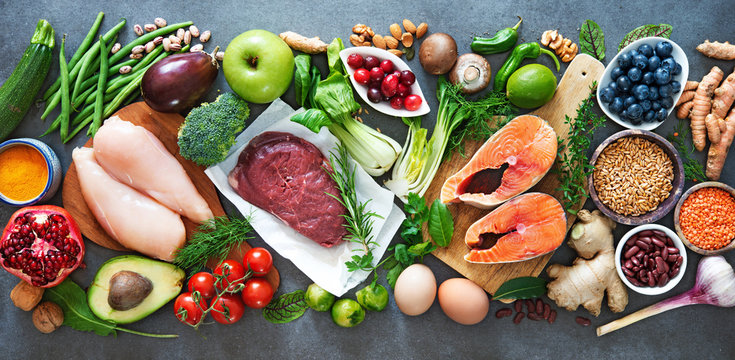
When possible, aim for a plate that looks something like:
- ½ plate: Vegetables (salad, cooked veggies, mixed veggies in soups or stews)
- ¼ plate: Protein (chicken, fish, beans, tofu, eggs, Greek yogurt, lean meats)
- ¼ plate: Whole grains or starchy foods (brown rice, quinoa, whole wheat pasta, potatoes, corn, beans)
You don’t have to be perfect. Just try to lean in this direction more often than not.
Add Protein to Each Meal
Protein can help you:
- Feel fuller
- Preserve muscle while losing weight
- Recover better from exercise
Practical protein ideas:
- Breakfast: eggs, Greek yogurt, cottage cheese, tofu scramble, or a balanced smoothie
- Lunch: chicken, turkey, tuna, beans, lentils, or tofu in salads, bowls, or wraps
- Dinner: fish, lean meats, beans, lentils, or tempeh with veggies and whole grains
For personalized protein needs, talk with your doctor or a registered dietitian. This article can’t tell you exactly how much is right for you.
Watch “Passive Calories” (Drinks, Extras, Mindless Snacks)
Sometimes the biggest calorie sources aren’t meals; they’re the little extras:
- Sugary coffee drinks
- Soda or sweet tea
- Frequent alcoholic drinks
- Chips, candy, or cookies mindlessly eaten while watching TV
You don’t have to cut everything out forever. But you might:
- Swap sugary drinks for water, sparkling water, or unsweetened tea
- Keep treats, but enjoy them more mindfully and less often
- Notice which snacks you eat out of habit, not hunger
Try Gentle Portion Awareness (Without Obsessing)
Instead of strict rules or weighing every bite, you might:
- Use smaller plates or bowls
- Start with a normal portion, then pause before going back for seconds
- Eat more slowly, giving your body time to register fullness
- Stop when you’re satisfied, not stuffed
The goal is to feel in control but not obsessed.
Step 3: Move More — Even If You Don’t “Work Out”
You can improve your health and support weight loss even if you never set foot in a gym.
Increase Your Everyday Movement (NEAT)
NEAT stands for Non-Exercise Activity Thermogenesis — basically, the calories you burn from everyday activities:
- Walking around the house or office
- Cleaning, gardening, or doing yard work
- Playing with kids or pets
- Taking the stairs
- Standing up more often during the day
Simple ways to boost NEAT:
- Take a 5–10 minute walk after meals
- Pace or walk in place while on phone calls
- Park farther away when it’s safe
- Use a standing desk for part of the day if available
These small actions add up over time.
Add Strength Training 2–3 Times Per Week (If Safe for You)
Strength or resistance training helps:
- Preserve or build muscle
- Support a healthy metabolism
- Improve joint stability
- Make daily tasks (carrying groceries, climbing stairs) feel easier
Examples:
- Bodyweight moves: squats to a chair, wall push-ups, glute bridges
- Resistance bands at home
- Dumbbells or machines at a gym
- Beginner-friendly strength classes or online videos
If you’re new to exercise, have joint issues, heart problems, or other health conditions, talk to your doctor first and consider working with a qualified professional to get started safely.
Step 4: Respect Sleep and Stress as “Hidden Weight Factors”
Many people try to fix weight through food and exercise alone. But sleep and stress can make or break your progress.
Poor Sleep Can Affect Hunger and Cravings
Lack of sleep can:
- Increase hunger hormones
- Make cravings for sugary, high-fat foods stronger
- Lower your ability to make thoughtful choices when tired
Realistic ways to improve sleep:
- Aim for a consistent sleep schedule when possible
- Create a simple wind-down routine (dim lights, stretch, read, or listen to calm audio)
- Limit heavy meals and caffeine late at night
- Try to keep screens and intense work out of the last hour before bed
Even an extra 30–60 minutes of sleep can sometimes make a big difference in how you feel.
Chronic Stress Pushes You Toward “Survival Mode”
When you’re under constant stress, your body is more likely to:
- Crave quick, high-energy foods
- Feel too tired to move or cook
- Store fat, especially around the midsection, for “survival”
You may not be able to remove all stress, but you can add small stress-release habits:
- Short walks
- Deep breathing exercises
- Journaling
- Talking to a friend, therapist, or support group
- Setting boundaries around work and screen time
Step 5: Build a Pattern You Can Actually Live With
Extreme plans often fail because they don’t fit your real life. Instead, try building a flexible routine you could see yourself maintaining long-term.
Example of a More Realistic Day (Not a Personalized Plan)
This is just an example to spark ideas — not medical advice and not a strict plan you must follow.
- Morning
- Glass of water
- Quick 5–10 minute stretch or walk
- Breakfast with protein (eggs, Greek yogurt, or a simple smoothie)
- Midday
- Lunch with veggies, lean protein, and a whole grain
- 5–10 minute walk after eating if possible
- Choose water or unsweetened tea instead of sugary drinks
- Afternoon
- Balanced snack if you’re hungry (fruit + nuts, yogurt, or veggies with hummus)
- Stand up and move around every hour or so
- Evening
- Simple dinner: half plate veggies, quarter plate protein, quarter plate starch
- Two or three nights a week: 15–30 minutes of light strength training at home
- Basic wind-down routine before bed (no late-night scrolling, if you can help it)
Again, this is just an example. Your schedule, culture, preferences, and health needs might look very different — and that’s okay.

When You Should Talk to a Doctor Before Starting a Weight-Loss Plan
Before making big changes, it’s especially important to talk with a healthcare provider if you:
- Have heart disease, high blood pressure, or chest pain
- Have diabetes, prediabetes, or blood sugar issues
- Have breathing problems like asthma or COPD
- Are taking medications that can affect weight, fluid balance, or appetite
- Have a history of eating disorders or disordered eating
- Are pregnant, planning pregnancy, or breastfeeding
- Experience unexplained weight loss without trying
Your doctor can:
- Check for underlying conditions that affect weight (thyroid issues, hormone changes, etc.)
- Help you understand what level of activity is safe
- Recommend lab tests, screenings, or referrals to specialists if needed
- Support you with a plan that fits your body and health history
Mindset Matters: Being Kinder to Yourself as You Work on Your Weight
If you’ve struggled with weight for years, it’s easy to feel discouraged or blame yourself. But remember:
- Your body has changed since your teens and 20s.
- Your life has changed, too.
- You are not “failing” — you’re trying to manage health in a busy, stressful world.
A few mindset shifts that can help:
- Progress over perfection: Every small step counts, even if the scale is slow.
- Curiosity over judgment: Instead of “I was bad today,” try “What made today harder, and what might help next time?”
- Long game over quick fixes: You’re building habits for your 40s, 50s, and beyond — not just for a 2-week challenge.
You deserve a respectful, realistic relationship with your body, not a constant battle.
This article is for general information only. It’s not meant to diagnose, treat, or cure any condition. Always talk with your doctor or another qualified professional before making health decisions.
FAQs: Weight Loss After 30
1. Is it normal to gain weight in your 30s and 40s?
Yes, it’s very common for people to gain some weight in their 30s and 40s. Slower metabolism, hormonal changes, muscle loss, stress, and busy schedules all play a role. Normal doesn’t mean inevitable, though — small, steady changes in food, movement, sleep, and stress can still help.
2. Do I have to cut out carbs to lose weight after 30?
Not necessarily. Many people lose weight with balanced meals that still include healthy carbs like fruits, vegetables, beans, and whole grains. What often matters more is overall pattern: portions, fiber, protein, and how much ultra-processed food and added sugar you’re eating. If you’re considering a very low-carb plan, it’s best to talk with your doctor or a dietitian first.
3. How much exercise do I really need for weight loss at this age?
Everyone is different. Many guidelines suggest aiming for consistent movement most days, plus 2–3 days of strength training each week, if your doctor says it’s safe. That doesn’t have to mean intense workouts — even brisk walking and simple home strength exercises can help. The best exercise plan is the one you can stick with without burning out.
4. Why do I still feel tired and heavy, even when I’m trying to lose weight?
Several factors can make you feel this way:
- Not eating enough overall or skipping meals
- Poor sleep or high stress
- Underlying medical conditions (thyroid problems, anemia, etc.)
- Trying to do too much, too fast with exercise and dieting
If tiredness is constant, it’s a good idea to check in with your doctor. They can look for underlying issues and help you adjust your approach.
5. Can I really lose weight in my 40s or 50s, or should I just accept it?
Many people do lose weight and improve their health in their 40s, 50s, and beyond. It may be slower and require more patience than earlier in life, but it’s definitely possible. Even if you never hit a specific “goal number,” focusing on healthier habits can still improve energy, blood pressure, blood sugar, joint comfort, and overall quality of life.
Final Thoughts: Your Body May Be Different After 30, But It’s Not Hopeless
Weight loss after 30 can absolutely feel harder — and in many ways, it is harder. Your metabolism, hormones, responsibilities, and stress load have changed. But that doesn’t mean you’re stuck.
If you:
- Understand why your body is changing
- Let go of quick-fix diets and all-or-nothing thinking
- Focus on small, realistic changes in how you eat, move, sleep, and manage stress
- Work with a healthcare professional when needed
…you can still support a healthier weight and feel better in your own skin.
You don’t have to do this perfectly. You just have to keep taking small, kind steps forward.
